In short, alcohol stays in your system for different amounts of time depending on the type of test, ranging from up to 12 hours for a blood test to up to 90 days for a hair test. Detection windows also vary by individual factors, such as weight, gender, and food intake, with typical times being 12-24 hours for breath and saliva, and up to five days for urine. Plus, the type and strength of alcohol will determine how long alcohol stays in your system.
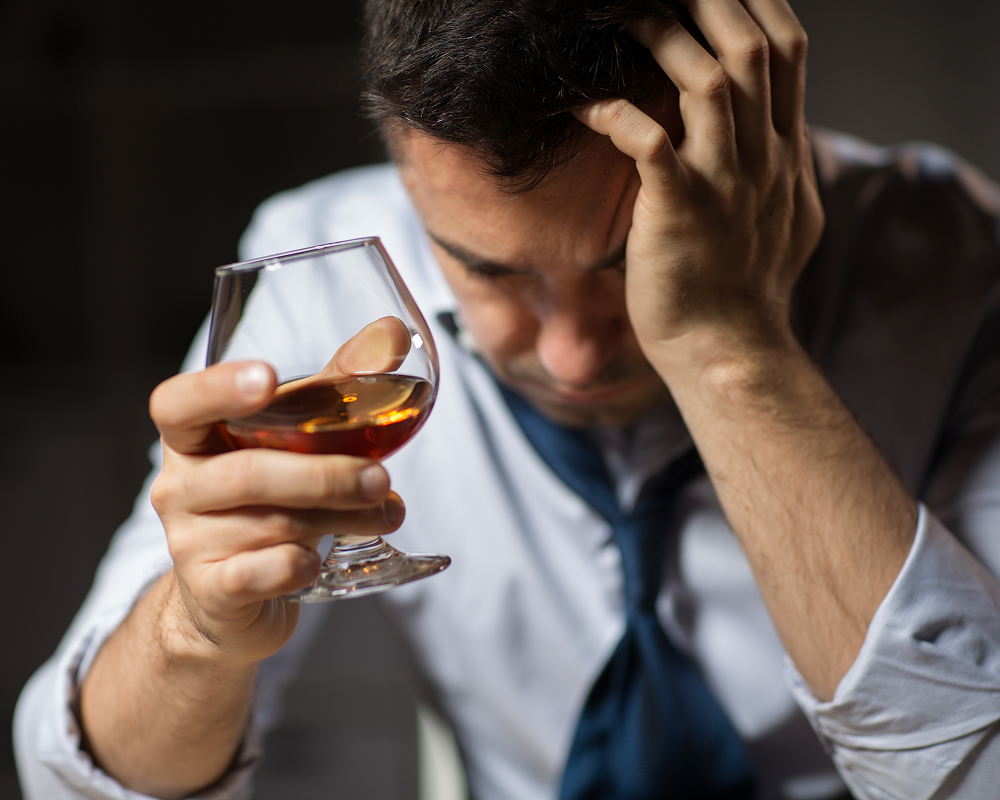
How Does the Body Metabolize Alcohol?
Alcohol is a toxic chemical that enters the body through ingestion of ethanol. After that, it passes into the bloodstream through digestion. It passes through the stomach and small intestine, where it is absorbed directly by blood vessels, and then is processed by the liver. When your stomach gets used to alcohol, quitting alcohol may cause stomach problems as well.
The liver breaks it down further into smaller chemical components, known as metabolites. Lastly, it leaves through urine, sweat, or the lungs. The rate at which each body processes alcohol varies widely. On average, healthy livers can process around one ounce of alcohol an hour.
The whole process also depends on your age and body size. Older people typically metabolize it more slowly due to diminished liver function, reduced water in their bodies, or medications that interact with it and interfere with its metabolization.
Also, women generally metabolize alcohol at a slower rate than men. Why? Hormonal fluctuations during menstruation, plus having less water content than men. So, women need to drink more water for the same level of intoxication.
How Long Does Alcohol Metabolism Take?
Alcohol metabolism occurs primarily within the liver, and the duration can differ depending on each person. However, on average, it takes around an hour for your body to process alcohol that has been consumed.
The speed at which our bodies process alcohol depends on numerous factors, such as:
- Amount of alcohol consumed
- Blood alcohol content
- Gender
- Height
- Weight
- Age
- Medications
- Food intake
Alcohol can take anywhere between six and 24 hours to reach peak blood levels before being detected by breathalyzer tests. Its presence may even remain detectable up to 90 days post alcohol consumption! While drinking water or coffee can help combat dehydration and increase alertness levels, it cannot accelerate how your body processes the substance.
Factors That Affect Alcohol Metabolism

Gender
Height
Weight
More body mass means more water in your system, which dilutes alcohol and lowers your blood alcohol concentration (BAC). That’s why a single beer can hit a 120-pound person harder than someone who weighs 200 pounds, even if they drink the same amount.
Schedule Appointment Now
Age
As we age, our livers don’t function as well as they once did. Alcohol stays in the body longer due to a slower metabolism and less water. Plus, older adults are more likely to be on medications, which can interact badly with alcohol and make the effects stronger.
Medications
Specific prescriptions and even over-the-counter drugs can throw a wrench into how your body breaks down alcohol. For example, antibiotics, painkillers, and antidepressants can slow metabolism or intensify alcohol’s effects. Always check your labels before mixing alcohol with any medication.

Food Intake
Ever notice how one drink on an empty stomach hits way harder than the same drink with dinner? That’s because food slows alcohol absorption, giving your liver more time to do its job. High-protein meals are beneficial since they keep alcohol from rushing straight into your bloodstream. Here’s a complete guide on whether quitting alcohol can make you tired.
How Long Can Tests Detect Alcohol in the Body?
Alcohol’s initial effects can be felt almost immediately, such as increased relaxation and appetite. This is caused by the body metabolizing alcohol and stimulating the release of chemicals, which help relieve feelings of stress or anxiety.
Breath and saliva alcohol tests can detect their metabolites within 24 hours after drinking alcohol, while urine testing can detect their presence 48 hours post-consumption. For individuals struggling with alcohol use disorder, these detection windows may vary due to chronic consumption patterns affecting metabolism.
Final Thoughts
At the end of the day, alcohol doesn’t linger in your body forever, but its impact can feel like it does. And while your body works hard to process every ounce, it does so at its own pace. There are no shortcuts, no quick fixes after consuming alcohol. So, the next time you have a drink, remember that your body is still catching up hours (or even days) later.

Find Your Way Back to Control with Dragonfly Medical
If you’re worried about how much alcohol is showing up in your system, it might be time to talk to someone. That’s where Dragonfly Medical comes in. Maybe it started as a weekend thing, or a way to take the edge off after work, but now it feels like your body never really gets a break.
Our treatment services help you recover from all types of addiction, whether it’s marijuana, alcohol, nicotine, or any other substance.
Call us today or book an appointment online, and let’s discuss how we can help you feel like yourself again.


