


If you or your loved ones have faced drug addiction, you will surely understand how this messes up with your sleep cycles. The question is, when a drug addict is using, he/she should sleep better, right? So, how does this affect their sleep cycle by any chance? Developing healthy sleep habits can be challenging for those struggling with addiction, but it is a crucial step toward restoring natural sleep patterns and improving overall well-being.
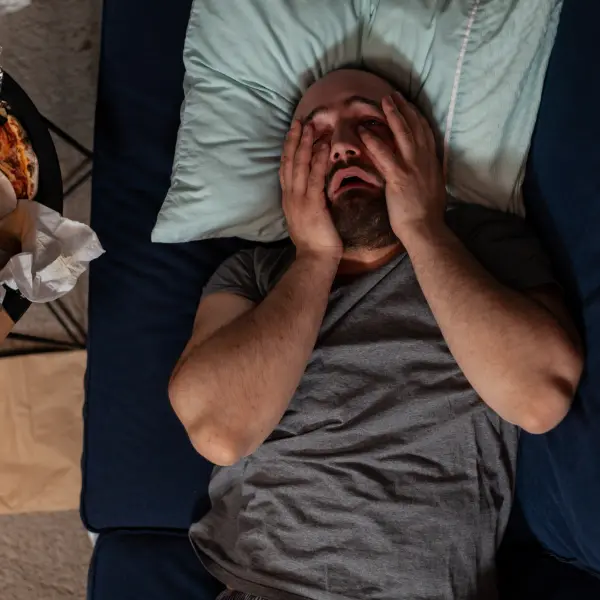
Substance use disorders often lead to sleep disturbances such as insomnia symptoms, excessive daytime sleepiness, and poor sleep quality during both active use and recovery.
Drug addiction disrupts natural sleep cycles by causing changes in neurotransmitters, hormones, and brain activity, leading to insomnia, reduced REM sleep, and other sleep disturbances.
Different types of drugs have varying effects, with stimulants like cocaine hindering sleep onset and decreasing REM sleep, while depressants like alcohol can disrupt sleep stages.
People who use alcohol tend to have more difficulty falling asleep and returning to restful slumber throughout the night than those who don't drink alcohol. Drug and alcohol abuse interferes with circadian rhythms, leaving the body less sensitive to daylight/dark cues, which trigger shifts in metabolism and secretion of melatonin (a natural sleep-inducing hormone).
Drinking increases the waking frequency, which in turn lowers the quality of sleep. Furthermore, alcohol can contribute to numerous health problems that contribute to poor rest. For instance, snoring and central sleep apnea are both conditions in which breathing stops occur while impairing cognitive function may result in impaired decision-making abilities, increasing the risk for relapse. Here are some alcohol withdrawal symptoms.
Addictive substances alter circadian rhythms and disrupt sleep-wake cycles, resulting in irregular waking hours and poor regulation of the body's internal clock.
Addiction to drugs such as alcohol and prescription and over-the-counter drugs can disrupt normal sleeping patterns. Users often report insomnia in addition to experiencing other physical and emotional challenges associated with substance abuse.
This may be because these substances interfere with circadian rhythms, which regulate natural sleep-wake cycles within the body.

Disruptions in slow-wave sleep, which is crucial for restorative deep sleep, are common in individuals recovering from substance abuse, further impairing their ability to achieve restful sleep.
Sleep problems in addiction recovery can be treated both behaviorally and medically at drug detox facilities. At these centers, professionals specialize in insomnia treatment while helping you break free of substance use patterns.
Insomnia can be short or long-term and affects both men and women alike. It may result from lifestyle changes like travel or changing work schedules or from stress, depression, anxiety, or other mental health conditions.
Sleep and substance use are closely linked, as substance abuse can exacerbate sleep difficulties, including insomnia and sleep-disordered breathing, further impacting overall sleep quality and mental health. Addressing these intertwined issues is crucial for improving restful sleep and supporting recovery.
Sleep Apnea occurs when your brain fails to send adequate signals to the muscles responsible for breathing. While less common than its obstructive counterpart, central Sleep Apnea still impacts many individuals.
Either alone or with the help of bed partners/roommates to provide accurate results that can help determine the most suitable treatment plan.
Restless legs syndrome (RLS) is an unpleasant, uncontrollable urge to move the legs or arms during sleep that causes discomfort. It can occur on either one or both legs and becomes worse at night.
RLS sufferers typically report finding temporary relief through stretching or moving their legs; however, it's essential to visit their physician for medical advice regarding this problem.

Daytime sleepiness caused by narcolepsy can severely hinder work and school performance and driving safety, so seeking professional advice to address withdrawal symptoms is important. Healthcare professionals may prescribe stimulant drugs like:
This is to keep you alert during the day. Sedatives such as low-sodium oxybate or sodium thiopental before driving long distances may also be recommended to alleviate them.
There are support groups and qualified counselors dedicated to narcolepsy in many areas. Moreover, work with your healthcare professional to devise a schedule for taking naps during the day, using medicine, and taking hypnotics or melatonin at night to reduce any disruptions in sleep patterns.
During sleep, the body repairs itself, and the brain processes emotions and memories, which is vital for emotional regulation and decision-making. Lack of quality sleep can lead to increased irritability, anxiety, and depression, all of which are common relapse triggers.
Moreover, sleep deprivation impairs cognitive functions, making it harder to resist cravings and maintain the motivation needed for recovery. Establishing healthy sleep habits can significantly enhance the recovery process. Consistent sleep patterns help stabilize mood and improve overall mental health.
Practices like maintaining a regular sleep schedule, creating a restful environment, and avoiding stimulants before bedtime can promote better sleep quality. Over time, these habits can lead to improved physical health, increased energy levels, and a stronger ability to cope with stress.
Effective treatment often involves a combination of behavioral therapies and, when necessary, pharmacological interventions. Cognitive Behavioral Therapy for Insomnia (CBT-I) is a highly recommended non-pharmacological approach that helps individuals identify and change thoughts and behaviors that interfere with sleep. This therapy has shown success in improving sleep quality without the risks associated with sleep medications.
Sleep is essential to mental well-being, particularly during the difficult process of recovery from substance abuse. Luckily, there are various things individuals can do to enhance their quality of sleep and promote a healthier mind during recovery.
Substance dependency disrupts sleep cycles and lowers the quality of non-rapid eye movement (NREM) rest, which may result in fatigue, depression, and anxiety.

Set and stick to a regular bedtime and wake-up time each day, even on weekends, to train your body to fall asleep more naturally and feel revitalized upon awakening.
Establish a pre-sleep ritual, such as taking a warm bath or shower, drinking decaffeinated tea, practicing relaxation techniques, light reading and stretching exercises before bed, listening to relaxing music, and listening to relaxation audiobooks.
Avoid heavy screen use, movement, and snacking right before sleeping, as these may hinder restful slumber. In addition, try to limit or avoid caffeine and nicotine, as these stimulants may keep you up at night and keep you from falling asleep quickly.
Consulting an addiction specialist can assist individuals in understanding how drug abuse impacts sleep and creating healthier sleeping habits for long-term recovery. Furthermore, creating a relaxing environment and following a consistent sleep routine can significantly enhance the quality of rest.

Mindfulness and meditation techniques, as well as physical activities such as yoga and tai chi, may also help enhance sleep quality, strengthen immunity, and relieve stress, thereby decreasing the risk of relapse. Talk with your healthcare provider for the most appropriate solution when dealing with insomnia during recovery.
Under-restring can heighten cravings and alter decision-making processes, thus increasing the risk of relapse. Therefore, addiction treatment and aftercare must include activities to promote quality sleep habits, such as mindfulness meditation or keeping a gratitude journal before bedtime to relax and fall asleep easily. Furthermore, stimulants like caffeine may keep you awake all night and interrupt the sleep cycle.
You need quality sleep to recover fully. Addiction disrupts your natural sleep cycles, but you can take steps to restore them. Focus on building healthy sleep habits, follow a consistent routine, and address any sleep disorders alongside your addiction treatment. When you sleep better, you heal faster mentally, physically, and emotionally.
If addiction is stealing your sleep, it's time to take back control. At Dragonfly Medical offers comprehensive substance abuse treatment that addresses the whole person mind, body, and sleep cycle included. Our team helps clients manage insomnia, restless legs, anxiety, and the many sleep disorders that can come with recovery.
We combine evidence-based medical care with holistic therapies to support deep healing day and night. Call us today or reach out online to start your recovery journey. Because restful sleep isn't just possible it's part of your path to long-term sobriety.
We are OPEN and taking new patients while also providing Telehealth Services to patients who are able to use this system Click Here for more information on our Telehealth Services
Our current fees, which are due in full at time of service are:
$90 for 1 week
$160 for 2 weeks
$310 for 4 weeks
Dragonfly Medical and Behavioral Health is able to accept the following forms of payment:
A service charge is added to all credit card or debit card or prepaid card transactions in person and over the phone.
Insurance: please click here for insurance information


Our clinic is owned by Alicia (Lisa) Caffrey, PhD, MSCP, MS, a licensed clinical psychologist, and Matthew (Mateo) Caffrey, MD, MPH.
Beyond medication treatment, Dragonfly offers individual, couples, family, and group counseling, along with group support sessions available both in person and via telehealth. We also provide certified peer recovery specialist support, nursing services such as medication management and case management, and urine drug screening.
Tuesday and Thursday: 11 am–6 pm; Wednesday: 12 pm–7 pm; Friday: 9 am–11 am; Saturday: 7 am–4 pm. Closed Sunday and Monday.
Our clinic provides outpatient rehab treatment, not a residential or inpatient facility. We offer both in-person visits and telehealth appointments.
Our clinic treats several types of substance use disorders, including opioid addiction (through buprenorphine/Suboxone treatment), alcohol addiction, nicotine addiction (smoking cessation), marijuana use, methamphetamine addiction, and kratom abuse.
You can call 423-588-9978, fax 423-722-3401, or use the "Get In Touch" contact form on the website.


