


It's a question many people ask when they're ready to stop drinking. Is it safe to detox from alcohol at home? The answer is "it depends". Deciding to stop drinking alcohol is a huge step. But quitting cold turkey without help can be risky for you, especially if you've been drinking heavily for a long time. So let's talk about today. Is it safe to detox from alcohol at home?

When someone stops drinking alcohol suddenly, the body reacts. This is called "alcohol withdrawal". It can show up as anxiety, shaking, sweating, or worse. The more you've been drinking, the stronger the withdrawal symptoms might be.
Some people only get mild symptoms. Symptoms such as feeling jittery or trouble sleeping.. Others can face severe withdrawal symptoms, like seizures or hallucinations.
The most dangerous form is called "delirium tremens". It's rare but can be life-threatening. This is why doctors recommend a medically supervised detox.
You might think a detox at home sounds simple. Stay home, rest, drink
fluids. But if you have alcohol dependence, it's not that easy.
Severe symptoms can hit you fast and without warning. One minute you're
sweating. Next, you might be having a seizure. That's not something you
want to face alone.
Is it safe to detox from alcohol at home? For some, maybe. But for many,
the risks are just high, especially if your alcohol consumption has been
heavy.
There's no one-size-fits-all answer to this question. But several things matter:
People with long-term alcohol dependency are more likely to deal with severe withdrawal. This is why it is suggested to get alcohol under professional supervision so that you recover safely.

There's no one-size-fits-all answer to this question. But several things matter:
A medical detox takes place in a safe space. Doctors and nurses watch you
closely. They can give meds to ease withdrawal symptoms. They can act
fast if something goes wrong.
In a medically supervised detox, you're not alone. That matters a lot,
especially if you have a strong alcohol addiction or a history of
alcohol misuse.
It might sound scary. But remember that it's often the safest first step
toward an alcohol free life.
It's not just your body that reacts. Your mind does too. Depression,
anxiety, or mood swings can show up fast. This is where cognitive
behavioural therapy can help.
Alcohol detoxification is more than getting the alcohol out. It's
learning new ways to cope. That's tough to do alone, especially at home.
Some people do okay with at-home detox. Especially if they:
But even then, it's good to talk to a doctor or healthcare professional first. They can give tips and tell you what to watch for.
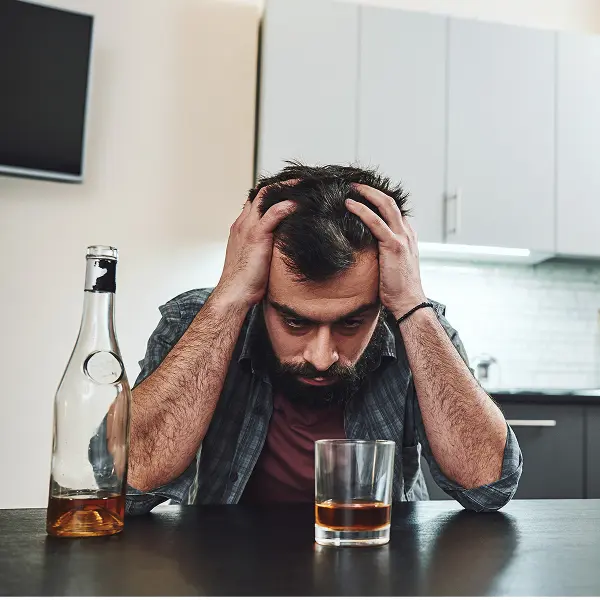
Getting through alcohol withdrawal is step number one. But staying
sober takes more. That's where alcohol rehab comes in.
Alcohol rehab programs offer more than detox. They help you with the
mental health and emotional parts of alcohol addiction.
They offer group support, therapy, and tools for building a better
life. Many people who try to quit without support go back to
drinking.
Alcohol withdrawal symptoms generally start within hours of your last drink.
They can peak around day 2 or 3. Some people feel better after 5 days.
But others can feel anxious or shaky for weeks.
If your alcohol intake was high, withdrawal may last longer. That's why
professional monitoring and support matter so much.
Every person is different. Your age, your health, your alcohol
consumption, and your support system all play a part.
Clinical and diagnostic research shows that detox works best when it's
personalized. That's why professional support helps.
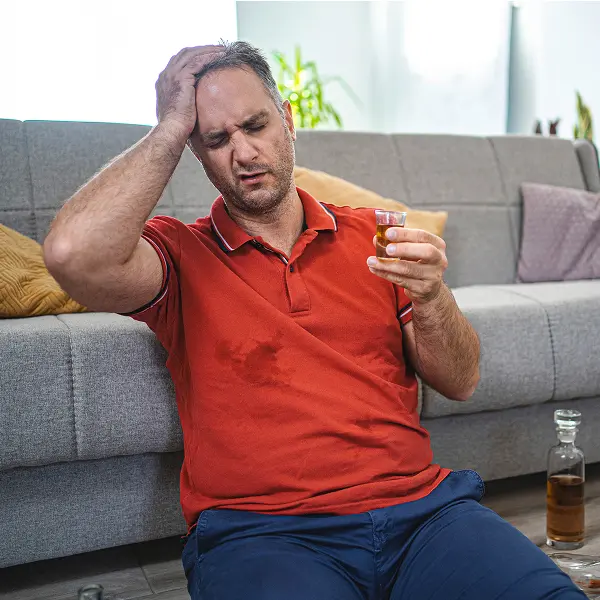
Some people try to slowly cut down how much they drink alcohol each
day. Why do they do that? Well, it can help avoid sudden severe
withdrawal symptoms.
But this can also be risky without professional guidance. It's hard
to know how fast or slow to go. You might still end up needing help.
Quitting is a strong move. But staying sober takes some ongoing work. After alcohol detox, some people go to therapy or rehab. Others join support groups. Many combine several things. Building an alcohol free life isn't just about quitting. It's about permanent healing, too.
So, is it safe to detox from alcohol at home? For some, yes. For others, not at all. If you have a history of severe symptoms, a strong alcohol dependency, or other health problems, talk to a healthcare professional in your area.
Alcohol detox can be tough. But you don't have to go through it alone. Support is there for you, and it actually makes a huge difference.
Choosing a safe path can lead to a stronger, happier, and healthier future—one with less pain, more clarity, and real change. You deserve that kind of future. One where you're happy, healthy, and enjoying every bit of life. There's so much life running through our veins, and it often goes to waste when someone is caught in drugs or alcohol. Life is beautiful, and it's meant to be lived to the fullest.
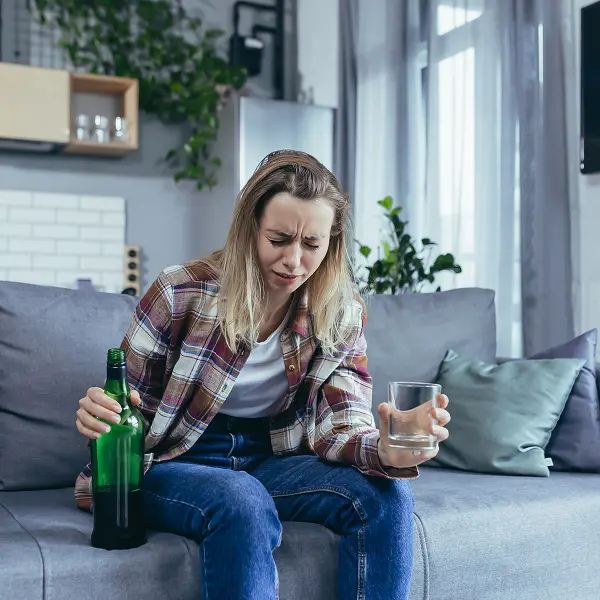
The good news? Help is available. Today, professionally trained support is within reach, and people who've been suffering for years can finally break free from alcohol dependence—safely. If you or someone you love needs support with alcohol detox, don't wait. Visit your nearest alcohol detox facility today.
If you're wondering if it's safe to detox from alcohol at home, the team at Dragonfly Medical is here to help you find the safest path forward. We offer services to support you through every stage of recovery—including substance abuse treatment, mental health services, primary care, and nursing support. Our Certified Peer Recovery Specialists walk alongside you with real-life experience and guidance. With access to telehealth and group support, you're never alone on your journey to healing. Visit Dragonfly Medical today and take your first step toward recovery from alcohol use disorder and more. Call us now to learn more.
We are OPEN and taking new patients while also providing Telehealth Services to patients who are able to use this system Click Here for more information on our Telehealth Services
Our current fees, which are due in full at time of service are:
$90 for 1 week
$160 for 2 weeks
$310 for 4 weeks
Dragonfly Medical and Behavioral Health is able to accept the following forms of payment:
A service charge is added to all credit card or debit card or prepaid card transactions in person and over the phone.
Insurance: please click here for insurance information


Our clinic is owned by Alicia (Lisa) Caffrey, PhD, MSCP, MS, a licensed clinical psychologist, and Matthew (Mateo) Caffrey, MD, MPH.
Beyond medication treatment, Dragonfly offers individual, couples, family, and group counseling, along with group support sessions available both in person and via telehealth. We also provide certified peer recovery specialist support, nursing services such as medication management and case management, and urine drug screening.
Tuesday and Thursday: 11 am–6 pm; Wednesday: 12 pm–7 pm; Friday: 9 am–11 am; Saturday: 7 am–4 pm. Closed Sunday and Monday.
Our clinic provides outpatient rehab treatment, not a residential or inpatient facility. We offer both in-person visits and telehealth appointments.
Our clinic treats several types of substance use disorders, including opioid addiction (through buprenorphine/Suboxone treatment), alcohol addiction, nicotine addiction (smoking cessation), marijuana use, methamphetamine addiction, and kratom abuse.
You can call 423-588-9978, fax 423-722-3401, or use the "Get In Touch" contact form on the website.


