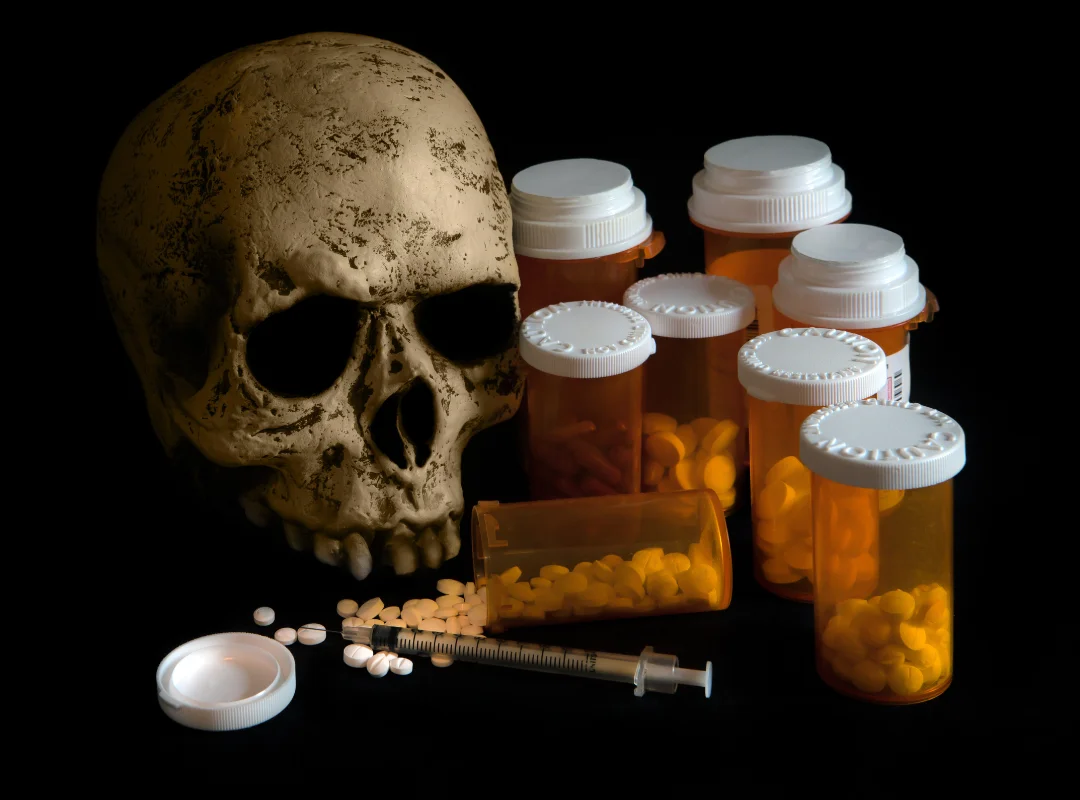
People often take drugs without realizing the risks, including alcohol consumption, which may also have serious repercussions. Drug use alters how your brain operates and what thoughts enter your mind. It may cause immediate side effects like feeling dizzy, hallucinating, and paranoia - these could all occur within hours after taking any drug.
Short-Term Effects of Drug Abuse
Drugs can significantly affect the central nervous system (CNS) by altering neurotransmitter levels, either enhancing or inhibiting their action. This can lead to changes in mood, perception, cognition, and behavior. Effects range from stimulation or depression to hallucinations and dependency, impacting overall mental and physical health. Hence, it is important to seek professional treatment.
Hallucinations
Overdose occurs when someone consumes an excessive dose of drugs that overwhelms their system, whether accidental or deliberate. An overdose can occur from alcohol, opioids (heroin and prescription drugs), stimulants, sedatives, cannabis, or synthetic/designer drugs - among many others.
As soon as a drug overdose takes place, heart rate and breathing may become irregular; hallucinations, confusion and disorientation, loss of consciousness, and chest pains may occur as a result. Other withdrawal symptoms may include vomiting and diarrhea - in extreme cases, bloody vomit may even result from taking too much.
Temporary Poisoning and Immediate Effects of Drug
Poisoning occurs when someone swallows, inhales, touches, or ingests something harmful to their bodies, including prescription or over-the-counter drugs, legal and illegal drugs, vitamins, mushrooms, chemicals, gasses, poisonous plants, and animal venoms. Some poisons have no significant ill effect, while others can lead to serious injuries or even fatalities.

To determine whether a substance is poisonous, exposure isn't the deciding factor - the amount taken matters more. Some substances, like fentanyl, can kill with only a small dose injected or inhaled; others, like carbon monoxide, may kill from being inhaled in closed spaces.
Doctors can quickly identify symptoms of poisoning, such as rapid heart rate, constricted pupils, changes in consciousness, and coma. Other poisonings, like anticholinergic poisonings and those from Jimson weed and anticholinergic medicines, can produce what are known as Toxidromes.
Schedule Appointment Now
Acute Respiratory Failure
Your lungs take in oxygen and deliver it to your blood, which then delivers it to every organ in your body - including the heart and brain, which require oxygen to function optimally. In addition, they filter carbon dioxide out of your system while simultaneously taking in more oxygen for you to breathe out again.
If something interferes with this process, respiratory failure can ensue. This may occur as a result of COPD or asthma symptoms; spinal cord injuries and strokes could also bring it about.
Acute respiratory failure is more commonly referred to as ARDS (acute respiratory distress syndrome). Any number of conditions may cause ARDS, but at its core, all are responsible for damage to air sacs and small blood vessels in the lungs.
Immune System Suppression
An effective immune system consists of cells, tissues, and organs that
work to defend against infection in your body. Your immune system
recognizes potential pathogens such as bacteria, viruses, toxins, or
fungi that could make you sick and defends against them by activating
defensive responses.
Your immune system may temporarily weaken as a result of chemotherapy
drugs or medicines used to treat cancer, infections such as flu and
mononucleosis, or taking medicine to prevent rejection after receiving
an organ transplant. This may occur, for example, if chemotherapy drugs
or medicines used to treat cancer are taken, an infection occurs, or
medication is taken for organ transplant rejection prevention.
Psychoactive drugs - such as amphetamines, cocaine, and opiates - may
suppress the immune system and lead to severe health consequences,
including stomach issues, hallucinations, and paranoia.
Long-Term Effects of Drugs
Drug and alcohol addiction can have devastating long-term repercussions for the body, damaging the heart, kidneys, lungs, and liver organs in particular. Illegal drugs have the ability to alter one's mind and behavior and can have serious repercussions for families, including potentially harmful decisions that can result in injury or even death.

Risk of Mental Health Issues
Long-term drug abuse may result in various physical and mental health problems. Hallucinogens such as LSD, Peyote, PCP, and Ketamine can all increase paranoia with long-term use and may increase it further over time.
Other drugs can suppress breathing, increasing the risk of an overdose. Heroin, cocaine, or opioid painkillers that suppress respiration can be especially risky - this risk increases exponentially if mixed with alcohol or other substances.
Drug addiction often makes poor decisions that lead to legal trouble, loss of employment, or family problems. Furthermore, those involved with drugs run an increased risk of engaging in unprotected sexual encounters or sharing needles - both of which increase exposure to diseases such as HIV and hepatitis.
Mental health services administration involves planning, coordinating, and managing mental health conditions and services. This includes overseeing facilities, staff, and resources to ensure effective delivery of care. Administrators also handle budgeting, policy implementation, and compliance with regulations, aiming to improve patient outcomes and accessibility to mental health support.
Increased Risk of Dementia
Dementia is a condition in which memory and cognitive skills deteriorate over time, disrupting daily living. It's not associated with normal aging; Alzheimer's disease, Frontotemporal dementia, vascular dementia, or late-stage syphilis infection can all cause dementia to progress over time.
Drug abuse can result in long-term brain changes that make it more challenging to think and learn, as this substance use disorder alters how the body and mind function together, such as altering levels of certain chemicals in your system.
Researchers are researching strategies for preventing dementia and decreasing the risk. A healthy lifestyle that includes physical exercise and social engagement will help lower this risk; you could also participate in clinical studies and trials designed to prevent dementia.
Drug Abusers Are Most Likely to Get Cancer
Long-term drug abuse exposes the body to dangerous toxins and carcinogens that increase cancer risk, while its reduced immune system makes it harder for it to fight off cancer cells.
Drug type, use method (swallowing, snorting, or injecting), frequency, and abuse all increase cancer risk. Heroin and opioid abuse is associated with liver damage as well as life-threatening conditions like Hepatitis C, while snorting or injecting drugs may result in vein and tissue damage.
Illicit substances often contain cutting agents that contain cancer-causing ingredients known as cutting agents, including phenacetin, which has been linked to cases of renal cell, pelvic, and ureteral cancer.
Furthermore, their use may also increase cancer risks through activities like unsafe sexual practices and sharing injection equipment that could result in the spread of Hepatitis B/C or HIV infections.
Heart Stroke & Other Heart Disease
Even occasional drug use can quickly turn into a serious problem. Some drugs, like heroin, can directly cause strokes, while others could indirectly contribute to them through side effects and complications.
For instance, heroin use can result in embolic stroke by leading to endocarditis; bacteria enter the bloodstream and form clots on heart valves (known as septic emboli), which detach from them and travel along blood vessels until reaching the brain, potentially leading to embolic strokes and thus leading to embolic strokes.
Stimulants like Adderall can increase stroke risk due to its effect on blood pressure and ability to induce spasms in blood vessels; Cocaine increases the risk significantly, especially among users with baseline hypertension; depending on its frequency of use, a user could lose between 10-30 years due to this increased risk.
Conclusion
Drug use, including alcohol consumption, presents numerous short-term and long-term risks that significantly impact physical and mental health. The increased risk of cancer and stroke, coupled with the potential for long-term cognitive impairment, underscores the extensive harm drugs can cause over time.
Empower Your Health Journey with DragonFly Medical
At Dragonfly Medical, we're committed to providing comprehensive support through our diverse range of services. Whether you need personalized care through our Clinical Services, compassionate assistance from our Nursing team, guidance from those who have walked in your shoes via our Peer Recovery program, or the collective strength found in our Group Support sessions, we are here for you.
Additionally, our Telehealth Info services ensure you can access expert care and advice from the comfort of your home. Call us today and let Dragonfly Medical be your partner in achieving optimal health and well-being.


