


People in recovery often struggle with sleeping problems. However, it's essential not to give up too soon - usually, with time comes improvement in this area.
Insomnia is a classic withdrawal symptom from numerous substances, such as street drugs, alcohol, and even some prescription medicines.
Drugs can adversely impact your sleep cycle by interfering with slow-wave sleep and REM sleep cycles, as well as interfering with natural sleeping cycles.

Substance abuse, such as alcohol, benzodiazepine, opioids, and cannabis, disrupts sleep patterns in an individual. When people stop taking these substances suddenly, their bodies have to adapt quickly or risk withdrawal symptoms, including insomnia.
Sleep disturbances may also arise if you suffer from mental illnesses like depression or an underlying physical condition that causes discomfort and prevents you from sleeping well at night. Certain types of medications can also contribute to insomnia.
Short Answer: This relates to how substance use alters brain chemistry and disrupts the body's internal clock, affecting sleep regulation. Withdrawal causes sleep abnormalities, including impaired slow wave and REM sleep, leading to insomnia, poor sleep quality, and difficulty falling or staying asleep during early recovery.
Numerous individuals suffer from sleep disorders that impede:
Quitting any kind of substance causes stress, which becomes a primary reason for trouble sleeping. This makes it harder for someone to fall asleep quickly or remain asleep throughout the night. Lack of restful rest leads to fatigue, anxiety, and poor concentration, increasing the risk of relapse.
Drug withdrawal causes sleep disruptions due to changes in serotonin and dopamine neurotransmitters. These chemical shifts disturb regular sleep-wake cycles and may trigger nightmares.
Substances like alcohol and stimulants often influence these neurotransmitters, while opioids affect REM sleep cycles, which is where most dreaming occurs.
Addiction is a brain disease that alters both its structure and function. It may be brought on by many substances or activities, including drugs and alcohol. Substances used for addiction alter how much pleasure you derive from enjoying normal activities. This leads to a compulsive desire to repeat them again and again.

Substances such as cocaine, nicotine, and caffeine may interfere with sleep in two different ways:
Hence, this leads to insomnia, which often plagues addiction recovery efforts. NREM sleep is essential to our bodies' healing. Chronic insomnia is often an undesirable side effect of drug abuse, but you can overcome it through the right treatment program and coping skills. If you are facing withdrawal symptoms of marijuana, here are some tips for you.

Many medications can interfere with your sleep cycle and cycle of restful slumber, leading to:
Certain antidepressant medications may impede your sleep. Selective serotonin reuptake inhibitors (SSRIs), like Prozac and Zoloft, may lead to insomnia by decreasing stage 2 sleep duration when one is most easily disturbed during a cycle - leading to feelings of fatigue and reduced energy throughout the day.
If you are experiencing difficulty sleeping due to natural cycles, breathing issues, or difficulty, consult a healthcare provider immediately. Allowing them to assess your sleeping habits and recommend treatments can help alleviate withdrawal symptoms and promote healing while increasing wellness overall.
Seeking medical advice may help in helping reduce withdrawal symptoms associated with alcohol withdrawal symptoms.
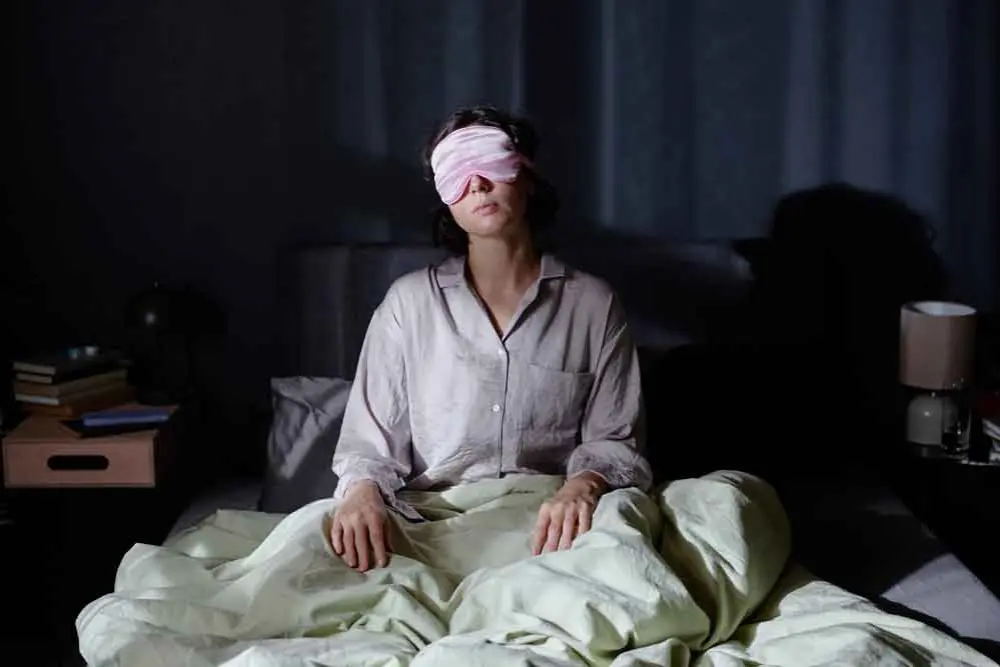
At this stage, you begin to recognize that substance abuse is having a negative impact on your life and feel the urge to change, but you aren't ready to commit to treatment plans yet. Here are some healthy habits:
At this point, holistic therapists may provide nonjudgmental support and education that helps you move forward. They may also educate people on early warning signs and relapse prevention strategies, which are all critical components of recovery. This stage should be treated seriously.
Due to some drugs affecting our circadian rhythms, withdrawal can cause difficulty sleeping. However, these issues can be overcome through practicing good sleep hygiene and adhering to a consistent schedule.
Even those who generally have good sleep habits may need extra help occasionally falling asleep. Many find relief through over-the-counter (OTC) sleep medications like melatonin or valerian supplements.
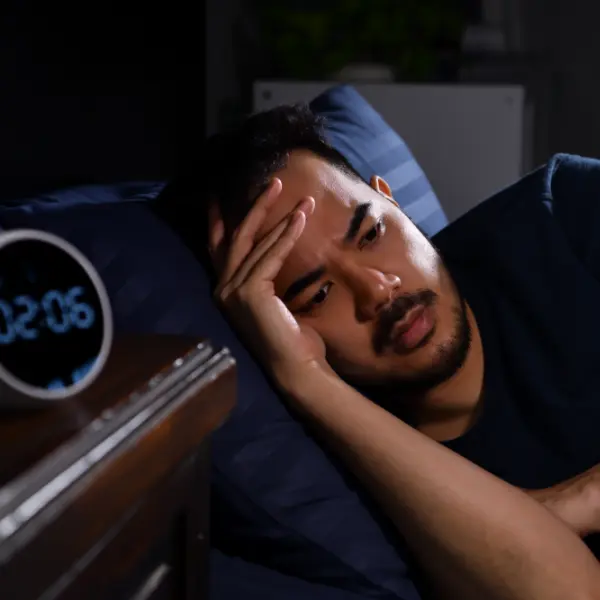
If sleep disturbances persist beyond a few weeks of quitting drugs, it is crucial to seek help from mental health services or addiction medicine specialists. Prolonged insomnia and disrupted sleep patterns can be signs of underlying neurochemical imbalances caused by withdrawal, such as altered dopamine and serotonin levels, which regulate sleep and mood.
Chronic sleep deprivation impairs cognitive function, mood regulation, and immune response, increasing relapse risk. Professionals can provide evidence-based interventions like cognitive-behavioral therapy for insomnia (CBT-I), medication management, and support for co-occurring mental health disorders, promoting restorative sleep and aiding sustained recovery.
Struggling to sleep after quitting drugs isn't a sign of failure—it's part of the healing process. Withdrawal insomnia and disrupted sleep cycles are incredibly common, especially as your body readjusts to functioning without substances. Restful sleep is not only possible—it's essential for full recovery. And with the right strategies and guidance, it's absolutely within reach.
Dragonfly Medical understands that recovery doesn't end when the drug use stops—that's where the real work begins. Our substance abuse treatment programs are designed to help you restore balance, including better sleep. Call us today or contact us online to start your path toward lasting recovery—and finally get the rest you deserve.
We are OPEN and taking new patients while also providing Telehealth Services to patients who are able to use this system Click Here for more information on our Telehealth Services
Our current fees, which are due in full at time of service are:
$90 for 1 week
$160 for 2 weeks
$310 for 4 weeks
Dragonfly Medical and Behavioral Health is able to accept the following forms of payment:
A service charge is added to all credit card or debit card or prepaid card transactions in person and over the phone.
Insurance: please click here for insurance information


Our clinic is owned by Alicia (Lisa) Caffrey, PhD, MSCP, MS, a licensed clinical psychologist, and Matthew (Mateo) Caffrey, MD, MPH.
Beyond medication treatment, Dragonfly offers individual, couples, family, and group counseling, along with group support sessions available both in person and via telehealth. We also provide certified peer recovery specialist support, nursing services such as medication management and case management, and urine drug screening.
Tuesday and Thursday: 11 am–6 pm; Wednesday: 12 pm–7 pm; Friday: 9 am–11 am; Saturday: 7 am–4 pm. Closed Sunday and Monday.
Our clinic provides outpatient rehab treatment, not a residential or inpatient facility. We offer both in-person visits and telehealth appointments.
Our clinic treats several types of substance use disorders, including opioid addiction (through buprenorphine/Suboxone treatment), alcohol addiction, nicotine addiction (smoking cessation), marijuana use, methamphetamine addiction, and kratom abuse.
You can call 423-588-9978, fax 423-722-3401, or use the "Get In Touch" contact form on the website.


