


Drinking is a normal part of life for many adults. A few beers on the weekend. A glass of wine with dinner. Sometimes, though, drinking goes beyond social fun. You might start to wonder, what's the difference between problem drinking and alcoholism? The line can feel blurry, but both involve risk and can hurt your health. They are not the same thing. Let's break it down so it's clear.

At its core, problem drinking means your drinking habits are starting to harm your daily life. You might miss work, get into arguments, or notice that your alcohol consumption is more than it used to be.
Alcoholism also called alcohol use disorder is more serious. It means your brain and body have developed alcohol dependence, and you need to drink to feel normal. If you try to stop drinking, you might get withdrawal symptoms like anxiety, shakes, and sweating.
So the difference between problem drinking and alcoholism is about control. Problem drinkers still have some ability to control alcohol intake, but someone with alcohol addiction often does not.
Problem drinking can manifest differently for each person. It might mean binge drinking on weekends. It might mean using alcohol to cope with stress or sadness.
A problem drinker may not drink every day and may not feel physical cravings. Still, the alcohol misuse is causing trouble: DUIs, hangovers that keep you in bed, tension with friends and family.
If you drink more than the moderate alcohol guidelines, which is more than seven drinks for women and 14 drinks a week for men, that can be a sign of heavy drinking. Over time, this raises the risk of health problems like high blood pressure, depression, or liver disease.
Alcoholism, or alcohol use disorder, goes further than problem drinking. It's a condition listed in the Diagnostic and Statistical Manual of Mental Disorders. People with alcohol dependence generally wake up thinking about their next drink. They feel sick when they don't drink alcohol.
Common withdrawal symptoms include:
Some people avoid withdrawal symptoms by continuing to drink, so the cycle keeps the alcohol addiction going.
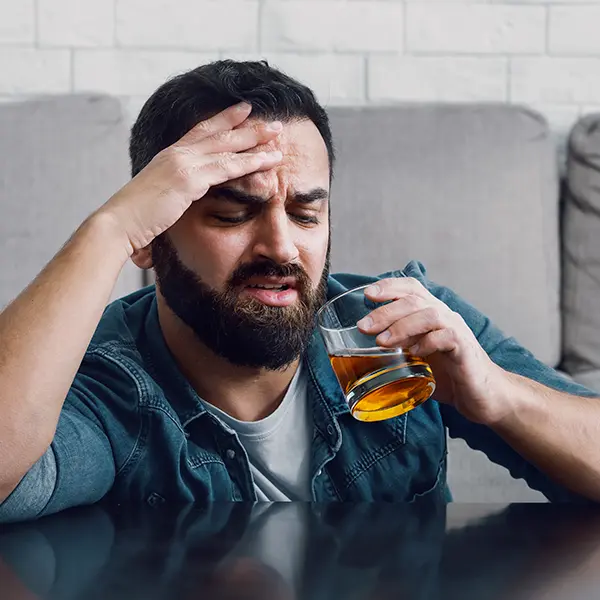
Binge drinking is common among young adults. Binge drinkers generally drink a lot in a short time, five or more drinks in 2 hours for men, four or more for women.
While not everyone who binge drinks has alcohol addiction, frequent binges are a form of alcohol abuse. With the passage of time, alcohol abuse and alcoholism can look very similar. Both raise the risk of blackouts, injuries, and health problems.
You might hear the term alcohol misuse. This simply means drinking in ways that cause you harm. Missing work. Driving after drinking or drinking more than you meant to.
Alcohol dependence is more serious because your body now expects pure alcohol regularly. Skipping a drink makes you feel sick. This is the reason why it's so hard to stop drinking on your own once dependence starts.

You might ask, “But how much alcohol is too much?
The National Institute on Alcohol Abuse and Alcoholism says moderate alcohol use is up to 2 drinks/day for men and one drink/day for women.
If your alcohol intake regularly goes past that and you notice problems at home, at work, or with your health, thats a sign your drinking habits need a closer look.
Both alcoholism and problem drinking can trigger mental disorders like depression or anxiety and can worsen existing ones. Physical health problems linked to heavy drinking include liver damage, heart disease, and cancer. Over time, alcohol use affects nearly every organ in our body.
If you realize you need alcohol to relax or fall asleep, it might be time to stop drinking for a while and take a break. Doing this will reveal how much your body depends on it.
If you get alcohol withdrawal symptoms when you stop, such as nausea, shaking, or sweating, talk to a doctor right away. You might need addiction treatment to detox safely and avoid withdrawal symptoms that can be dangerous for your physical and mental health.
Learning to control alcohol intake can make a huge difference. You can start by tracking your drinks and swapping in non-alcoholic options. Set limits for yourself.
If that doesn't work or you find yourself going back to binge drinking, you should consider professional medical help.

There are many ways to treat alcohol misuse or alcohol addiction. Some are:
The right choice depends on how severe your alcohol dependence is. Some people need medical detox to avoid withdrawal symptoms safely. Others can start with outpatient therapy.

So, what's the difference between problem drinking and alcoholism?
"Problem drinking" is risky drinking that is starting to harm your daily life, whereas "Alcoholism" is when you have lost control and have alcohol dependence. Both require attention, and both can harm your health, relationships, career, and future.
If your drinking habits are getting in the way of family, work, school, and hobbies, take a closer look. Talk to a doctor or counselor and ask about addiction treatment options that work for you.
You don't have to wait until you hit rock bottom and ruin your life from alcohol. You can stop drinking now, change your alcohol use, and build a healthier life starting today. Remember, you live only once, and the best way to make the most of this life is to be healthier and enjoy every moment.
Understanding the difference between problem drinking and alcoholism is overwhelming, but you don't have to figure it out alone. Dragonfly Medical and Behavioral Health offers compassionate care for substance use, mental health, primary care, and group support in Johnson City, TN.
We can help you explore treatment options and determine the level of care that is right for you. Call us today at 423-588-9978 or visit us at 102 North Broadway Street, Johnson City, TN 37601. Your first step toward a healthier life can start right now.
We are OPEN and taking new patients while also providing Telehealth Services to patients who are able to use this system Click Here for more information on our Telehealth Services
Our current fees, which are due in full at time of service are:
$90 for 1 week
$160 for 2 weeks
$310 for 4 weeks
Dragonfly Medical and Behavioral Health is able to accept the following forms of payment:
A service charge is added to all credit card or debit card or prepaid card transactions in person and over the phone.
Insurance: please click here for insurance information


Our clinic is owned by Alicia (Lisa) Caffrey, PhD, MSCP, MS, a licensed clinical psychologist, and Matthew (Mateo) Caffrey, MD, MPH.
Beyond medication treatment, Dragonfly offers individual, couples, family, and group counseling, along with group support sessions available both in person and via telehealth. We also provide certified peer recovery specialist support, nursing services such as medication management and case management, and urine drug screening.
Tuesday and Thursday: 11 am–6 pm; Wednesday: 12 pm–7 pm; Friday: 9 am–11 am; Saturday: 7 am–4 pm. Closed Sunday and Monday.
Our clinic provides outpatient rehab treatment, not a residential or inpatient facility. We offer both in-person visits and telehealth appointments.
Our clinic treats several types of substance use disorders, including opioid addiction (through buprenorphine/Suboxone treatment), alcohol addiction, nicotine addiction (smoking cessation), marijuana use, methamphetamine addiction, and kratom abuse.
You can call 423-588-9978, fax 423-722-3401, or use the "Get In Touch" contact form on the website.


